Karpathy'nin Autoresearch Projesi: Yapay Zeka Artık Kendi Araştırmasını Yapıyor
Andrej Karpathy'nin autoresearch projesi, yapay zeka ajanlarının kendi kendine LLM araştırması yapmasını sağlayan deneysel bir sistem. Geceleri çalışan ajanlar sabaha karşı sonuçları bekliyor.
Bir zamanlar, sınır tanımayan yapay zeka araştırmaları et yiyen bilgisayarlar tarafından yapılıyordu. Bu "bilgisayarlar" yemek yemek, uyumak, başka eğlencelerle uğraşmak ve ara sıra "grup toplantısı" adı verilen ritüelde ses dalgaları kullanarak senkronize olmak arasında çalışırlardı. İşte bu dönem artık geride kaldı.
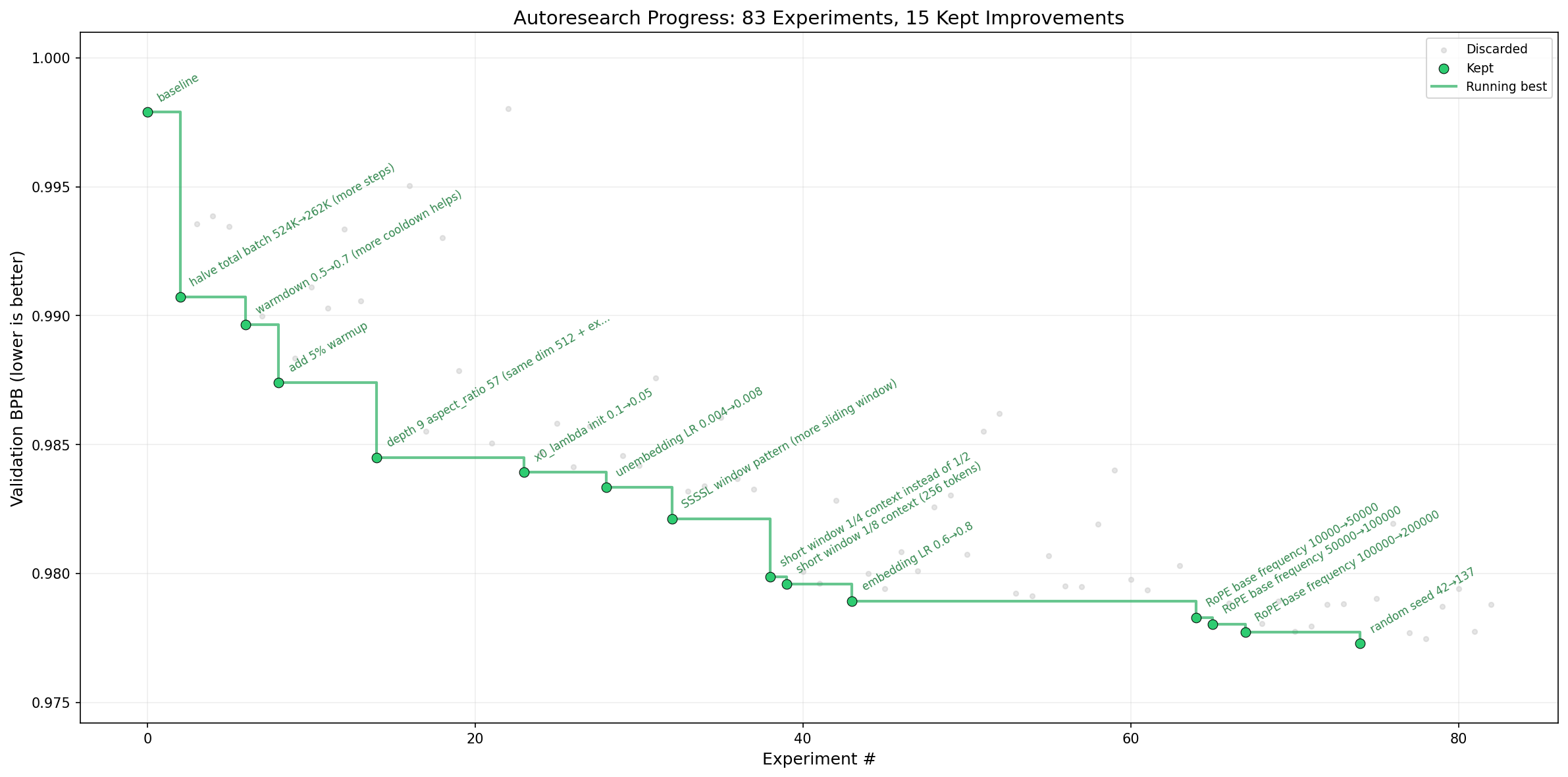
Andrej Karpathy'nin Mart 2026'da başlattığı autoresearch projesi, bu vizyonu gerçeğe dönüştürmenin ilk adımı. Düşünsenize: bir yapay zeka ajanına küçük ama gerçek bir LLM eğitim ortamı veriyorsunuz ve ona geceleri kendi kendine deneyler yapmasına izin veriyorsunuz. Kodu değiştiriyor, 5 dakika eğitim yapıyor, sonuçların iyileşip iyileşmediğini kontrol ediyor, başarılıysa tutuyor değilse atıyor ve bu döngü devam ediyor. Siz sabah uyandığınızda karşınızda bir deney kaydı ve umulan başarılı bir model oluyor.
Peki Nasıl Çalışıyor?
Proje bilerek minimalist tutulmuş. Sadece üç dosya var ki bunlar gerçekten önemli:
- prepare.py — Sabit değerler, veri hazırlığı ve yardımcı fonksiyonlar. Bu dosya dokunulmaz.
- train.py — Ajanın düzenlediği tek dosya. Model mimarisi, optimizasyon ve eğitim döngüsü burada. Ajan istediği gibi oynayabilir.
- program.md — Ajan için temel talimatlar. İnsanların düzenlediği dosya.
Sistem şöyle işliyor: Her deney sabit 5 dakikalık bir zaman bütçesiyle çalışıyor. Bu sayede platformdan bağımsız olarak sonuçlar karşılaştırılabilir hale geliyor. Metrik olarak validation bits per byte (val_bpb) kullanılıyor. Ne kadar düşükse o kadar iyi.
Neden Bu Kadar Önemli?
Karpathy'nin bu projesi sadece teknik bir deney değil, aynı zamanda araştırmanın geleceğine dair bir vizyon. Geleneksel araştırma süreçlerinde insanlar saatlerce kod yazıyor, deneyleri manuel olarak yönetiyor ve sonuçları analiz ediyor. Autoresearch ise bu süreci tamamen otonom hale getiriyor.
Üstelik bu sistem sadece büyük kurumlar için değil. Tek bir NVIDIA GPU'nuz varsa (tercihen H100 ama daha küçük sistemler için de çatallar mevcut), bu deneyi evinizde veya ofisinizde yapabilirsiniz. MacOS, Windows ve AMD için topluluk çatalları zaten mevcut.
Küçük Bilgisayarlar İçin İpuçları
Eğer H100 gibi bir kartınız yoksa üzülmeyin. Karpathy, daha küçük sistemler için bazı öneriler paylaşmış:
- Daha az karmaşık veri setleri kullanın, TinyStories gibi.
- Kelime haznesi boyutunu küçültün (8192'den 256'ya kadar).
- MAX_SEQ_LEN değerini düşürün (hatta 256'ya kadar).
- Model derinliğini (DEPTH) azaltın (varsayılan 8'den 4'e).
- TOTAL_BATCH_SIZE değerini küçültün (2^14 gibi).
Sonuç
Autoresearch, yapay zeka araştırmasının geleceğine dair heyecan verici bir bakış açısı sunuyor. Belki de yakın gelecekte, araştırmacılar sabah uyandıklarında gece boyunca çalışan yapay zeka ajanlarının keşfettiklerini inceleyecekler. Kim bilir, belki de 10,205. nesil kod tabanına ulaştığımızda, bu projenin temellerini atan günleri nostaljiyle hatırlayacağız.
Eğer siz de bu deneyi kendi başınıza yapmak istiyorsanız, GitHub reposuna göz atabilirsiniz. Belki de bir sonraki büyük keşif, sizin GPU'nuzda sabaha karşı gerçekleşecek.
Yazar

Efe Özkan
Yapay Zeka ve Yazılım Geliştirici