vLLM and Transformers Backend: Next-Gen LLM Inference at Native Speed
The Transformers modeling backend now matches hand-written vLLM implementations in speed. Qwen3 benchmark results show native performance with a single flag.
Read more
The Transformers modeling backend now matches hand-written vLLM implementations in speed. Qwen3 benchmark results show native performance with a single flag.
Read more
Moonshot AI released Kimi K3 with 2.8T parameters. The MoE architecture activates 16 of 896 experts and brings Kimi Delta Attention with a 1M token context. It ranks #1 on Frontend Code Arena and ties Fable 5 on Next.js evals. Open weights arrive July 27.
Read moreHTTP QUERY, standardized in RFC 10008, is a body-bearing HTTP method that remains safe and idempotent. It fixes GET's URL limits and POST's wrong semantics for read-only queries. Here's what it means for CDNs and APIs.
Read more
We examine Vercel's new open-source agent framework Eve from a broad perspective. Comparing it with LangGraph, CrewAI, Pydantic AI, Mastra, Smolagents and others, we explore which framework fits which scenario and what matters in production.
Read moreThe fifth member of Moonshot AI's K2 series, K2.7 Code uses 30% fewer thinking tokens than K2.6 while achieving up to 22% better coding benchmark scores. This article examines K2.7 Code's architecture, its differences from K2.5 and K2.6, and benchmark performance.
Read more
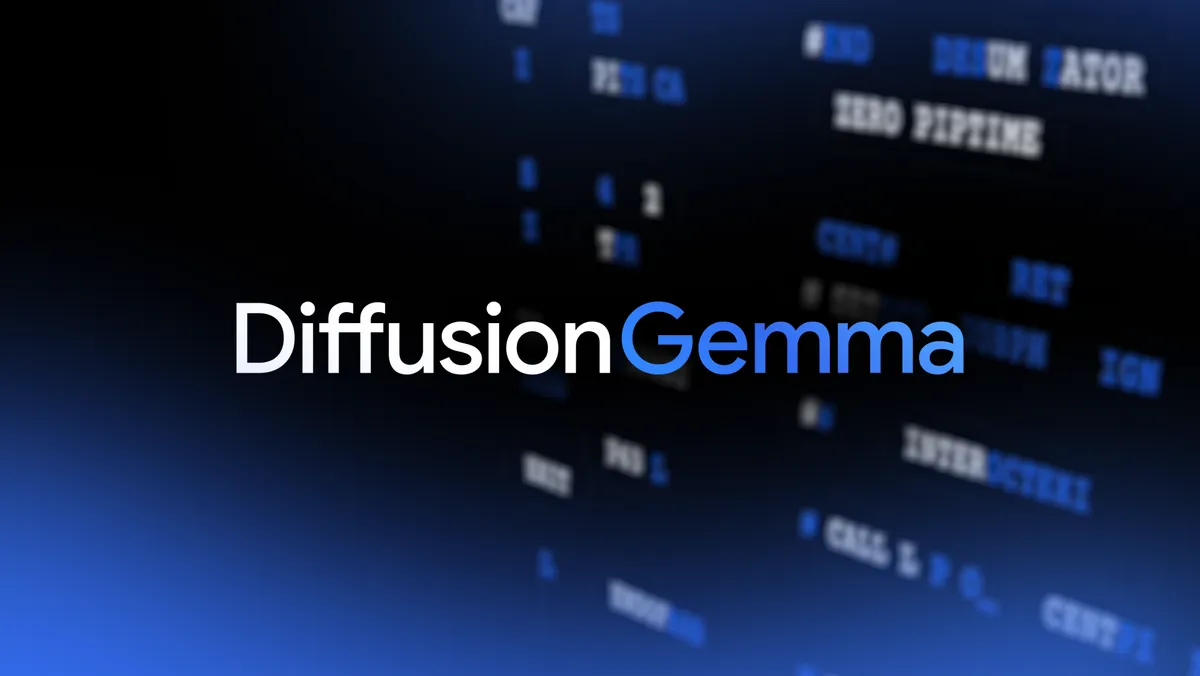
Google DeepMind announced DiffusionGemma, abandoning classic autoregressive architecture. This 26B MoE model generates 256 tokens simultaneously, delivering up to 4x speedup on local GPUs. Includes Unsloth local deployment guide and Sudoku fine-tuning example.
Read moreA comprehensive guide to enterprise local LLM deployment. Models, vLLM vs Ollama comparison, hardware costs, TCO analysis, and security architecture with 2026 benchmarks.
Read more
OpenCV 5 arrives in June 2026 with its biggest update yet: a rewritten DNN engine (80%+ ONNX coverage), built-in LLM/VLM support, a new hardware abstraction layer, and radical module simplification reshape the foundation of computer vision.
Read more
Announced at Computex 2026, RTX Spark fuses a 20-core Arm CPU with 6,144 Blackwell CUDA cores and 128 GB unified memory, delivering 1 petaflop of FP4 AI performance. We unpack the real start of the edge AI era and Microsoft's agentic PC vision.
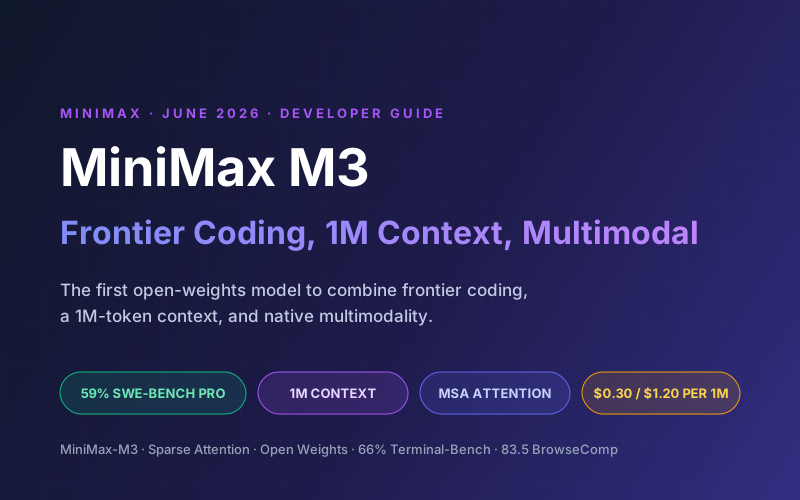
Read moreMiniMax M3 brings a 1M token context window, the MSA sparse attention architecture, native multimodality, and frontier-level coding/agentic performance to the open-source world. Benchmarks, pricing, and real-world scenarios inside.
Read more
Traditional logging falls short for AI agents. evlog redefines the logging paradigm with wide events and structured errors. This TypeScript-based, zero-dependency library supporting 13+ frameworks is shaping the future of observability.
Read more
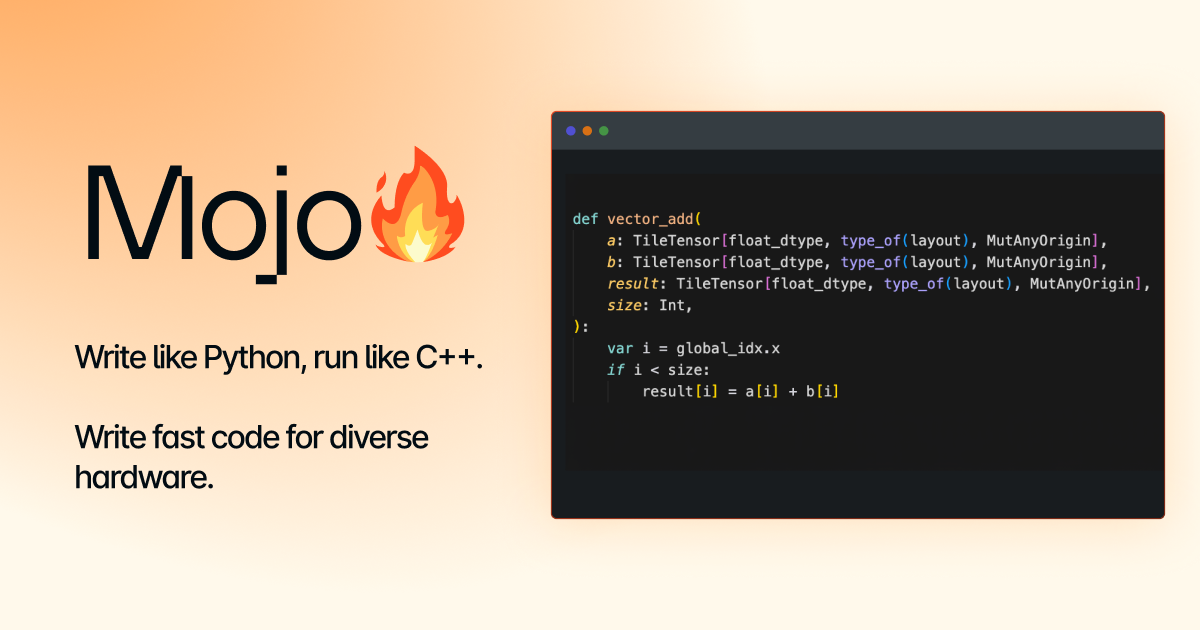
After three years of development, Modular officially announced Mojo 1.0 Beta. Designed by Chris Lattner, this language combines Python syntax with C++ and Rust-level performance. Here are the new features, the TileTensor revolution, and future plans.
Read more
Google announced Multi-Token Prediction drafters for the Gemma 4 family. What is MTP, how does speculative decoding work, and how does it compare to DeepSeek V3, Qwen3-Next, and Nemotron 3 Super?
Read moreZed 1.0 has officially launched. Built from scratch in Rust by the Atom team, this editor features GPU-accelerated rendering, native AI agents, and real-time collaboration. Detailed comparison with VS Code, Cursor, and Codex.
Read more
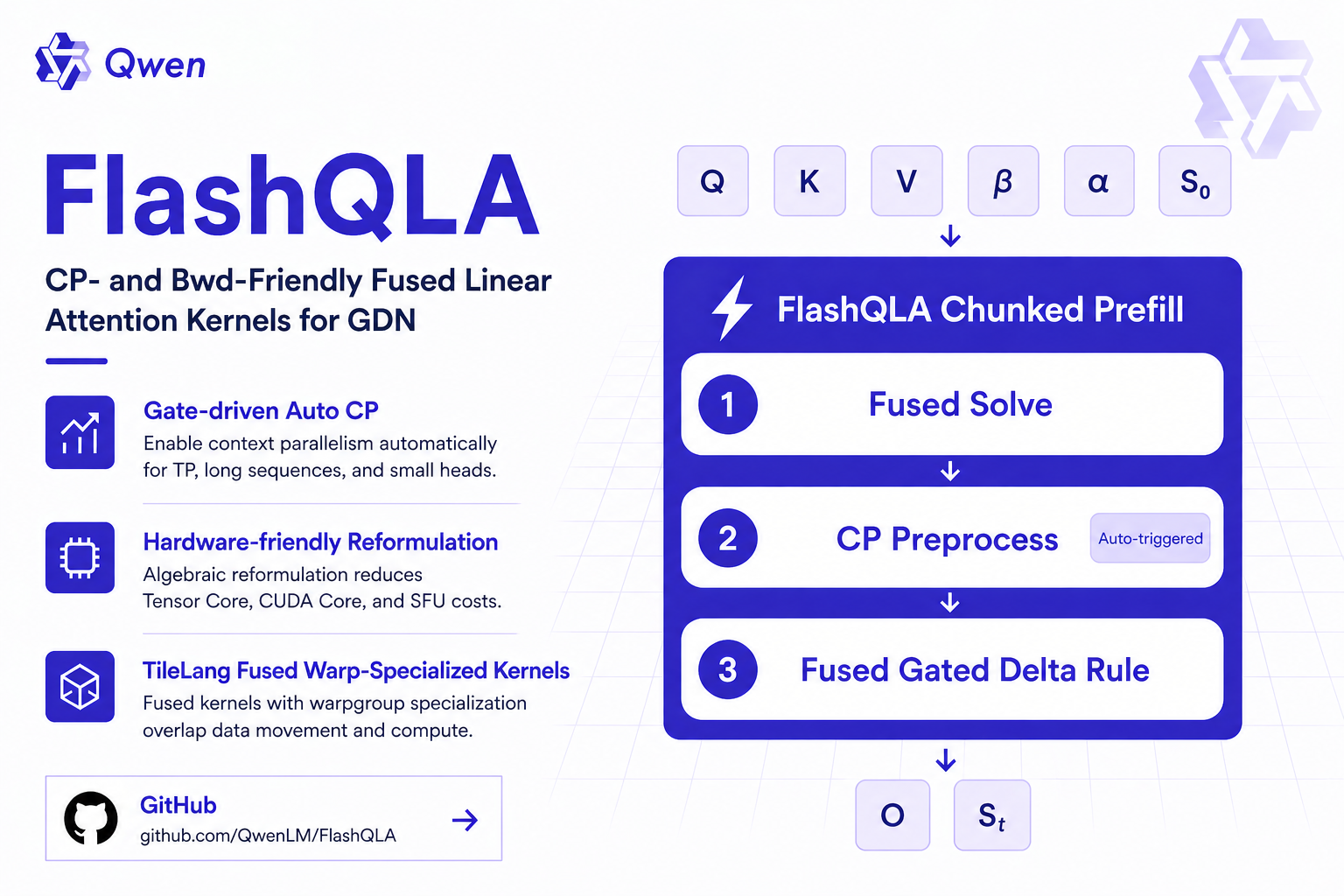
The Qwen team achieves 2-3x speedup in linear attention layers with FlashQLA built on TileLang. GDN architecture, automatic context parallelism, and hardware-friendly optimizations push agentic AI on edge devices into a new era.
Read moreI built pi-prompt-translate to remove the friction of translating every thought into English before prompting an AI. It is open-source, MIT-licensed, and installs in seconds.
Read moreLed by Gemma 4 and Qwen 3.6, Small Language Models are revolutionizing everything from edge devices to agentic coding in 2026. Current benchmarks, open-source projects, and use cases are covered in this article.
Read moreMoonshot AI's 1-trillion-parameter open-source model Kimi K2.6 tops SWE-Bench Pro. With long-horizon coding, 300 parallel agents, and competitive pricing, it challenges closed-source giants.
Read moreObscura headless browser written in Rust: 30MB RAM, 85ms load, CDP compatible. The open-source alternative to Chrome for scraping and AI agents.
Read more
Ubuntu 26.04 LTS dropped on April 23. GNOME 50, Linux 7.0, Wayland-only, TPM encryption, and cgroup v2. Everything you need before upgrading.
Read more
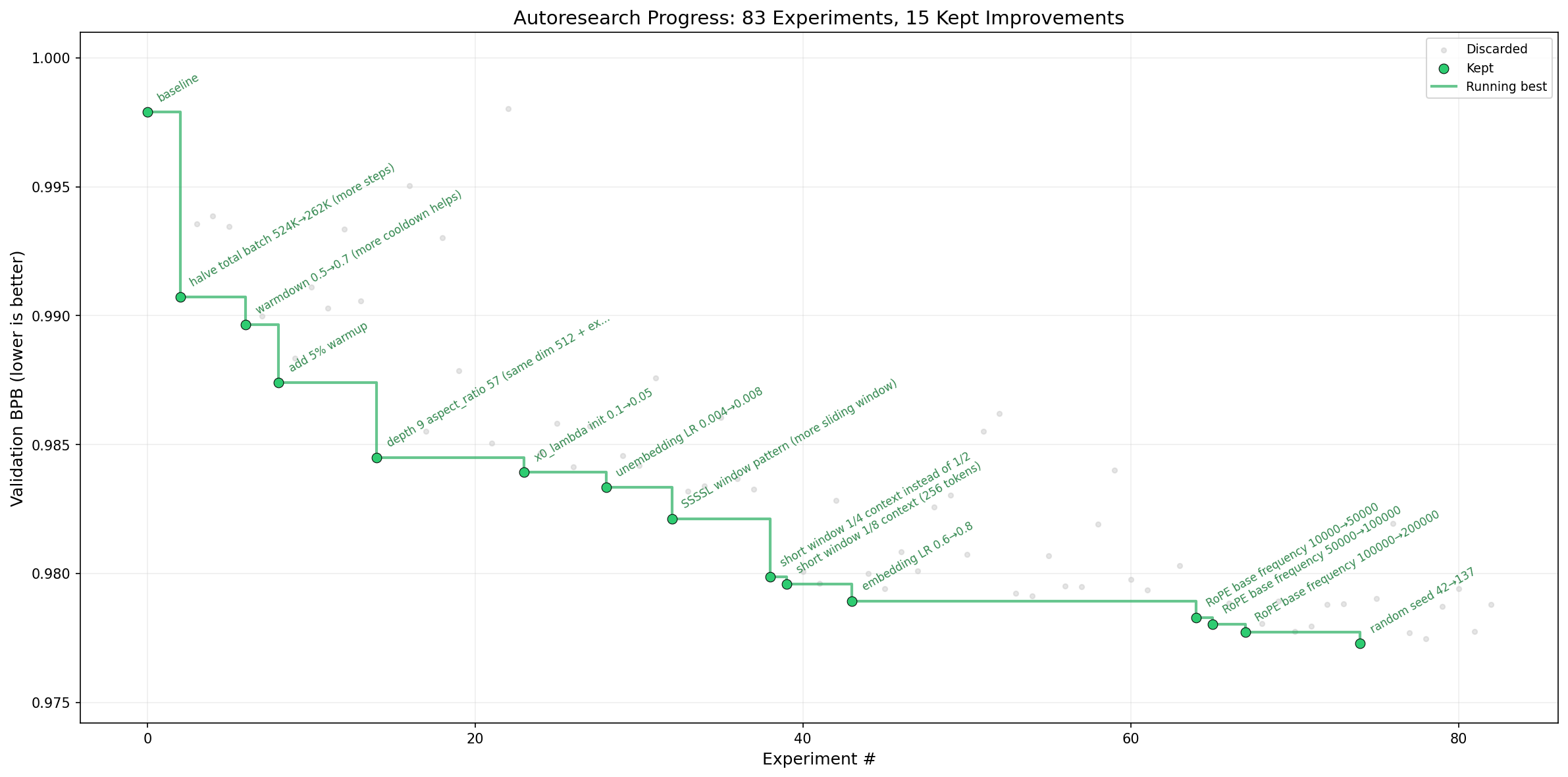
Andrej Karpathy's autoresearch project is an experimental system that enables AI agents to conduct their own LLM research. Agents working through the night deliver results by morning.
Read more