NVIDIA RTX Spark: Blackwell GPU ve Arm CPU Süperçip Nihayet Windows'lara Geldi
Computex 2026'da tanıtılan RTX Spark, 20 çekirdekli Arm CPU'yu 6.144 Blackwell CUDA çekirdeğiyle birleştirip 128 GB birleşik bellekle 1 petaflop FP4 AI performansı sunuyor. Edge AI çağının gerçek başlangıcını ve Microsoft'un ajan bilgisayar vizyonunu bu yazıda konuşuyoruz.
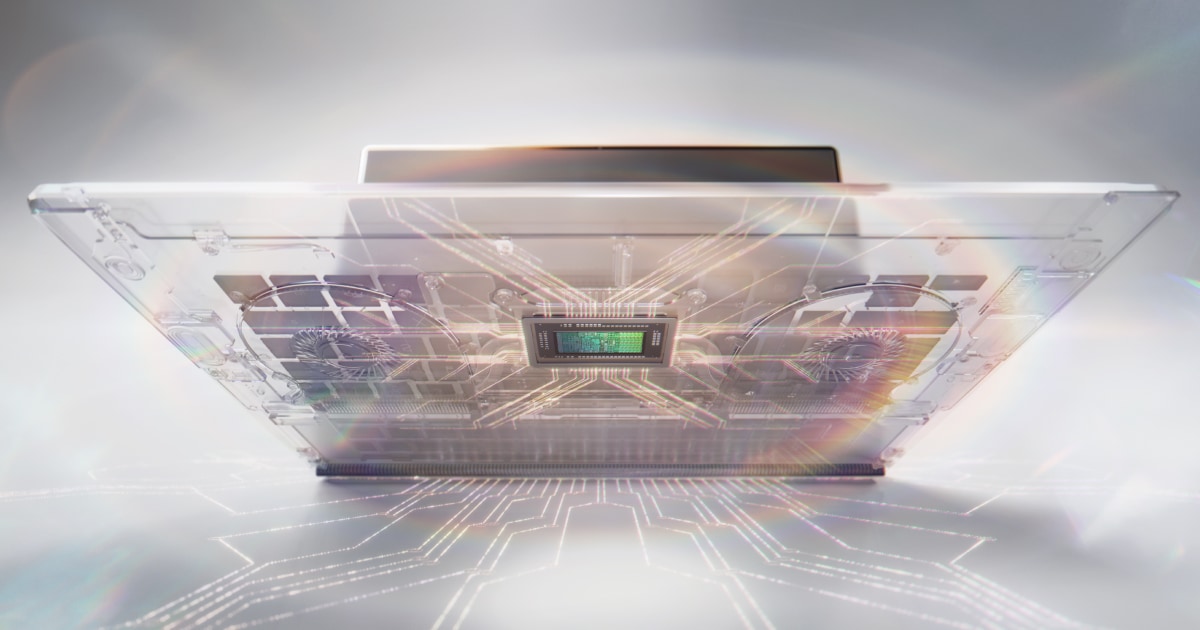
NVIDIA RTX Spark: Blackwell GPU ve Arm CPU'yu Birleştiren Süperçip Nihayet Windows'lara Geldi
Yıllardır aynı şeyi yaşıyoruz: bir yapay zeka modelini denemek istediğinizde buluta bağlanıyorsunuz, gizlilik endişesiyle uğraşıyorsunuz, token (token) ücretleri nedeniyle deneme sayısını kısıyorsunuz ve internet kopunca işleriniz duruyor. Mühendisler, yaratıcılar ve geliştiriciler olarak bizler, iş yükünün büyük bölümünü cihazda, yani "edge"de (uç) halletmek istiyoruz. NVIDIA, Computex 2026'da tanıttığı RTX Spark ailesiyle bu sorunu kökünden hedefliyor. Bu yazıda, DGX Spark'ın masaüstü süper bilgisayarından evrilen, 20 çekirdekli Arm CPU'yu 6.144 CUDA çekirdekli Blackwell GPU'yla birleştiren yeni "superchip"in teknik detaylarını, Microsoft'un ajan bilgisayar vizyonunu ve Apple/Qualcomm rekabetinde nelerin değiştiğini konuşacağız.

1. RTX Spark Nedir ve Neden Bu Kadar Önemli?
NVIDIA, RTX Spark ile ilk kez bir "tüketici PC çipi" tasarlıyor. Yıllardır veri merkezleri, oyun kartları ve AI hızlandırıcılar üreten şirket, artık Intel, AMD, Apple ve Qualcomm gibi CPU + GPU'yu tek pakette sunan bir oyuncuya dönüşüyor. The Verge'in haberine göre NVIDIA'nın kıdemli ürün yönetimi direktörü Mark Aevermann, çipi tanımlarken tek bir cümle kuruyor: "Şimdiye kadar üretilmiş en verimli PC çipi." Çip, geçen yıl piyasaya çıkan mini "kişisel AI süper bilgisayar"ı DGX Spark'ın kalbinde atan GB10 Grace Blackwell süperçipinin doğrudan evrimi.
Buradaki kilit kelime "süperçip". Süperçip, iki farklı silikon kalıbını (die) yüksek bant genişliğine sahip bir interconnect (ara bağlantı) ile tek bir pakette birleştiren tasarım. GB10 zaten 10+10 Cortex-X925 + Cortex-A725 Arm çekirdeğini, 6.144 CUDA çekirdekli Blackwell GPU'ya ve 128 GB'a kadar LPDDR5X belleği tek pakette buluşturuyordu. RTX Spark, aynı silikonu dizüstü bilgisayarlar ve mini PC'ler için termal ve güç sınırlarına uyarlıyor. Notebookcheck'in derlediği sızdırılan dahili NVIDIA slaytlarına göre bu proje en az 2024'ten beri masada; yani NVIDIA, bu çipi Apple'ın M-seri başarısını görüp, "biz de Arm tarafına geçelim" diye düşünmeden çok daha önce tasarlamaya başlamış.
2. RTX Spark Ailesi: N1X ve N1 Varyantları
VideoCardz'ın paylaştığı sızdırılmış dahili slaytlar iki ana ürün ailesi olduğunu gösteriyor: N1X (amiral gemisi) ve N1 (verimli/erişilebilir). Her birinin ikişer alt konfigürasyonu var:
- N1X 675 (?) – 10+10 CPU, 48 SM (6.144 CUDA çekirdeği), 45-80 W TDP, 16-128 GB LPDDR5X (16 kanal)
- N1X 650 (?) – 9+9 CPU, 40 SM (5.120 CUDA çekirdeği), 45-80 W TDP, 16-128 GB LPDDR5X (16 kanal)
- N1 #1 – 8+4 CPU, 20 SM (2.560 CUDA çekirdeği), 18-45 W TDP, 8-64 GB LPDDR5X (8 kanal)
- N1 #2 – 7+3 CPU, 16 SM (2.048 CUDA çekirdeği), 18-45 W TDP, 8-64 GB LPDDR5X (8 kanal)
Bu rakamlar bize iki şey anlatıyor. Birincisi, NVIDIA tam bir senaryo yelpazesi istiyor. Amiral gemisi varyantı 80 W paket gücüyle zaten RTX 5070 seviyesinde CUDA çekirdeği barındırıyor, ama onu 14 mm kalınlığında bir ultrabook içine koymayı planlıyor. İkincisi, 18 W'a kadar inen N1 varyantı, Qualcomm Snapdragon X Elite'in doğrudan rakibi olarak ince ve hafif makine segmentine giriyor. OC3D'nin vurguladığı üzere 48 SM'lik Blackwell GPU, kağıt üzerinde NVIDIA'nın kendi masaüstü RTX 5070 kartıyla aynı CUDA çekirdeği sayısına sahip, ancak termal/power bütçesi çok daha düşük olduğu için saat hızları düşecek. Bu, dizüstünde ışın izleme (ray tracing) ve DLSS 4 desteğini ciddi anlamda gerçekçi kılan bir eşik.

2.1. Bir Petaflop Yerel AI Performansı
Donanımın en çok övülen sayısı 1 petaflop FP4 AI performansı. Bu, rakamı bağlama oturtmak için gereken bir karşılaştırma: 2023'te tanıtılan Apple M3 Max yaklaşık 18 TFLOPS FP16 yapıyordu. FP4, nicelenmiş (quantized) bir format; yani düşük hassasiyet demek ama aynı zamanda aynı güç bütçesinde çok daha yüksek throughput (iş hacmi) anlamına geliyor. NVIDIA'nın sihirli kısmı, yeni Blackwell Tensor Core'larının bu formatı donanımsal olarak hızlandırması. Pratik sonuç şu: 120 milyar parametreli bir LLM (Büyük Dil Modeli) ajanı 128 GB birleşik bellek (unified memory) sayesinde yerel olarak çalıştırılabiliyor. Bu, geçen yılki SLM trendini konuştuğumuz yazıda öngördüğümüz "edge AI cihazlarda 100B+ model çalıştırma" eşiğinin resmen aşılması.
3. Ajan Bilgisayar (Agentic PC) Vizyonu
RTX Spark'ın donanım hikayesi kadar önemli olan bir başka boyut var: yazılım ve işletim sistemi katmanı. NVIDIA ve Microsoft, bu çipi sadece "hızlı dizüstü" olarak değil, "ajan bilgisayar" olarak konumlandırıyor. Yani PC artık pasif bir araç değil, sizin için görevleri otonom olarak yerine getiren bir "takım arkadaşı".
Microsoft'un Build 2026 konferansında tanıttığı "Windows güvenlik ve koruma primitifleri" (containment primitives), NVIDIA'nın OpenShell runtime'ı ile birleştiğinde ilginç bir şey ortaya çıkıyor: kişisel ajanlar, kullanıcının tam kontrolü altında, güvenli bir sandbox (koruma alanı) içinde çalışıyor. NVIDIA'nın resmi sitesinde verdiği örnekler epey iddialı: bir espor yayıncısı yayından ayrılmak istediğinde PC otomatik olarak ışıkları kapatıyor, mikrofonu sessize alıyor ve yayın modunu değiştiriyor. Bir tasarımcı Adobe'de bir eskiz alıp "bunu tam görsele, sonra 3D modele, sonra AI videosuna çevir" diyebiliyor. Bir yazılım geliştirici GitHub projesini ajana bağlıyor, ajan QA hatalarını tespit edip klavyeyi ve fareyi ele geçirip "sıkıcı ve tekrarlayan" işleri otonom hallediyor.
Bu vizyon, Karpathy'nin Autoresearch projesi ile aynı felsefede buluşuyor: insan artık direktör, ajan da uygulayıcı. NVIDIA'nın CTO'sunun ifadesiyle bu, "AI'ın UX olduğu yeni bir kişisel bilişim paradigması". Yani karmaşık uygulama arayüzlerini öğrenmek zorunda kalmayacaksınız, sadece niyetinizi söyleyeceksiniz, makine halledecek.
4. Windows-on-Arm Gerçekliği: Prism Emülasyonu ve Geliştirici Desteği
Arm tabanlı Windows makineleri yıllardır "ikinci sınıf" muamelesi gördü. Bunun sebebi x86 yazılımlarının uyumluluk katmanı (emülasyon) üzerinden çalıştırılması ve bunun performans kaybına yol açmasıydı. Microsoft, Prism emülatörü ile bu açığı kapatmaya çalıştı, ama tam anlamıyla başarı Qualcomm Snapdragon X ile başladı. Şimdi NVIDIA, Blackwell GPU'suyla bu yarışa dahil oluyor.
Yazılım ekosistemine bakınca tablo hızla düzeliyor. NVIDIA'nın resmi sayfasında sıraladığına göre Blender, DaVinci Resolve, Maxon Cinema 4D, Maxon Redshift, Topaz Photo, CapCut, Cubase, Bitwig Studio, Affinity gibi ağır profesyonel yazılımlar Arm üzerinde yerel (native) çalışıyor. Adobe, Premiere ve Photoshop için özel optimizasyonlar hazırladı. Easy Anti-Cheat, BattlEye ve Denuvo gibi anti-cheat sistemleri bile artık Windows-on-Arm'a uyumlu hale geliyor, bu da Valorant, League of Legends, PUBG gibi oyunların kapılarını açıyor. Epic'in Fortnite'ı zaten geçen yıl gelmişti.
Ben de dahil pek çok geliştirici için asıl mesele, geliştirme araçlarının (toolchain) hazır olup olmadığı. CUDA, doğal olarak RTX Spark üzerinde çalışıyor, ki bu yapay zeka geliştirmenin fiili standardı. Mojo 1.0 Beta yazımızda bahsettiğimiz gibi, Python'a süper güç kazandırmak isteyen herkes zaten ARM üzerinde çalışmanın inceliklerini konuşuyor. RTX Spark, bu geçişi GPU hızlandırma tarafında da tamamlıyor. Multi-Token Prediction gibi yeni çıkarım (inference) teknikleri, düşük hassasiyetli formatlardan (FP4 gibi) en iyi şekilde yararlanıyor; bu yüzden donanım-yazılım uyumu NVIDIA'nın lehine işliyor.
5. Geliştiriciler ve Yaratıcılar İçin Pratik Anlamı
Bu çip, masaüstü AI geliştirmenin gizli maliyetlerini değiştirebilir. 128 GB birleşik bellek, 70B+ parametreli açık modelleri kuantize edilmiş halde, hatta 120B parametreli ajanları tam doğrulukla çalıştırabilmek demek. Daha önemlisi, prototip, fine-tune (ince ayar) ve çıkarım (inference) aynı makinede, buluta veri göndermeden yapılabiliyor. Bu, gizlilik endişesi olan sağlık, hukuk ve finans gibi sektörlerde kurum içi AI geliştirmenin önünü açıyor.
Yaratıcı tarafta, NVIDIA'nın öne çıkardığı iş yükleri şunlar:
- 90 GB'lık 3D sahne render – Geçmişte veri merkezi gerektiren boyut
- 12K çözünürlükte video düzenleme – 4:2:2 donanımsal encode/decode
- AV1 encoder ve NVIDIA Broadcast ile keskin yayın akışı
- DLSS 4 ve Ray Tracing ile 1440p'de 100 FPS Indiana Jones and the Great Circle
Yani bu sadece bir "AI çipi" değil; içerik üreticisinin günlük iş akışını hızlandırmak için tasarlanmış hepsi bir arada (all-in-one) bir paket. 14 mm kalınlığındaki bir ultrabookta, prize takılı olmadan bu işlerin yapılabileceğinin iddia edilmesi, eğer gerçekleşirse, mobil iş istasyonu pazarını (Apple MacBook Pro M-serisi başta olmak üzere) ciddi şekilde sarsar.
6. Piyasa Etkisi: Apple, Qualcomm, Intel, AMD Karşısında NVIDIA
RTX Spark'ın rakipsiz olmadığını belirtmek gerek. Apple M4 Max/Ultra, özellikle birleşik bellek mimarisi ve watt başına performans açısından hâlâ altın standart. Qualcomm Snapdragon X Elite 2 ise ince ve hafif segmentte güçlü bir rakip. Intel ve AMD ise Lunar Lake ve Strix Halo ile "AI PC" pastasından pay almaya çalışıyor. NVIDIA'nın farkı ne?
- AI hızlandırma liderliği – Blackwell Tensor Core'ları, FP4'ü donanımsal destekleyen nadir mobil çözümlerden biri. Rakip çiplerin çoğu INT8 veya FP8 seviyesinde kalıyor.
- CUDA ekosistemi – Tüm AI araç zinciri (PyTorch, TensorRT, vLLM, Ollama) CUDA üzerinde optimize. NVIDIA, donanım ve yazılımı birlikte sunarak geçiş sürtünmesini minimuma indiriyor.
- 128 GB birleşik bellek seçeneği – Apple'ın en üst seviyesi 192 GB'a çıksa da, NVIDIA'nın 128 GB'ı daha agresif fiyatlı makinelere taşıyacağı öngörülüyor. AMD'nin Strix Halo'su da 128 GB sunuyordu, ama GPU performansı Blackwell'in gerisinde kalıyor.
- Microsoft ile derin ortaklık – Surface Laptop Ultra gibi birinci parti cihazlar, optimizasyonun ne kadar derin olduğunu gösteriyor. "Personal AI"ı Windows'un UX dokusuna entegre etmek, Apple Intelligence'ın macOS'taki konumlanışına benzer bir strateji.
Kısa vadede NVIDIA'nın dezavantajı uyumluluk. Arm üzerinde Windows, on yıllık x86 yazılım mirasını emülasyonla taşıyor. Apple'ın aksine, mevcut oyun kütüphanesi devasa ve her birinin Arm'a taşınması yıllar alacak. NVIDIA, anti-cheat firmalarıyla çalışarak bu açığı hızlı kapatmaya çalışıyor, ancak ilk lansmanda bazı başlıklar hâlâ yavaş çalışabilir.
7. Sonuç: Edge AI Çağının Gerçek Başlangıcı
Computex 2026'nın en büyük hikayesi, sadece yeni bir çip değil. NVIDIA, RTX Spark ile bulut zorunluluğunu ortadan kaldırmayı, yerel AI ajanlarını standart hale getirmeyi ve "kişisel süper bilgisayar" kavramını tüketici segmentine taşımayı hedefliyor. 8'den fazla OEM (Asus, Dell, HP, Lenovo, Microsoft, MSI, Acer, Gigabyte) şimdiden 30'dan fazla dizüstü ve 10'dan fazla masaüstü modeli açıkladı. Microsoft'un Surface Laptop Ultra'sı "şimdiye kadar yaptığımız en güçlü şey" diye tanıtılıyor. Bu, Microsoft'un on yıllık "Windows her yerde" stratejisinin en somut hali olabilir.
Biz geliştiriciler için mesele net: önümüzdeki 12-18 ay içinde, kendi dizüstünden fine-tune edilen açık kaynak modeller, bulut API'sine gerek kalmadan çalışan otonom ajanlar ve gizliliği koruyan yerel çıkarım yaygınlaşacak. FlashQLA yazımızda konuştuğumuz lineer attention kernel'ları, RTX Spark gibi cihazlarda 100B+ modellerin konuşma hızında çalışmasını mümkün kılacak. Kimi K2.6 gibi yeni nesil açık kaynak kodlama modelleri, bu donanımla birlikte çok daha erişileşir hale gelecek.
RTX Spark henüz sahada kendini kanıtlamadı, ama kağıt üzerinde taşıdığı vaat, kişisel bilişimde on yıllardır gördüğümüz en büyük sıçrama. Eğer NVIDIA'nın performans iddiaları gerçeğe yakınsa, "AI işleri için buluta bağlan" cümlesi yakında geçmişte kalacak.
Bu yazı minimax-m3 modelinin kendisinin yardımıyla hazırlanmıştır. Modelin teknik özellik karşılaştırmaları ve mimari yorumları NVIDIA'nın resmi sayfasından ve The Verge'in haberinden derlenmiştir. Teknik detaylar için VideoCardz'ın sızdırılan slayt analizine ve Notebookcheck'in özetine başvurabilirsiniz.
Yazar

Efe Özkan
Yapay Zeka ve Yazılım Geliştirici