Mojo 1.0 Beta: Python'ın Hızını 68.000 Katına Çıkaran Dil Sonunda Olgunlaşıyor
Modular'ın üç yıllık geliştirme sürecinin ardından Mojo 1.0 Beta resmi olarak duyuruldu. Chris Lattner'ın tasarladığı bu dil, Python'un sözdizimini C++ ve Rust performansıyla birleştiriyor. İşte yeni özellikler, TileTensor devrimi ve gelecek planları.
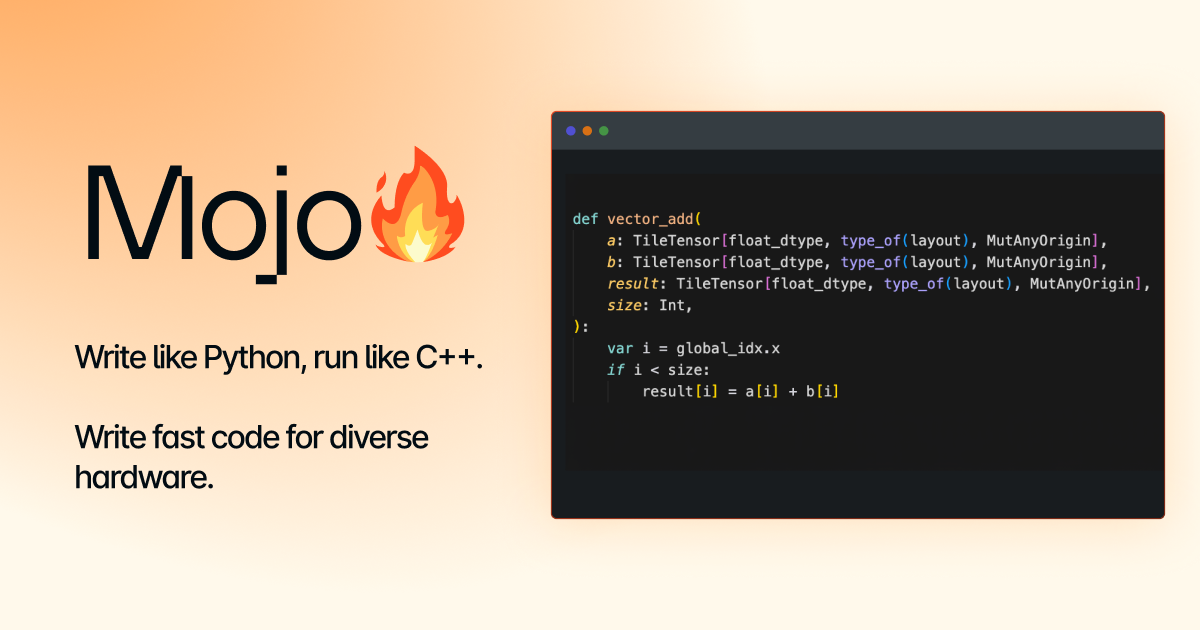
Mojo 1.0 Beta: Python'ın Hızını 68.000 Katına Çıkaran Dil Sonunda Olgunlaşıyor
Yapay zeka ve makine öğrenmesi ekosistemi neredeyse tek bir dil etrafında dönüyor: Python. Veri biliminden LLM eğitimine, bilimsel hesaplamadan üretken yapay zekaya kadar her alanda Python'ın hakimiyeti tartışılmaz. Ancak her geliştirici bilir ki, Python'ın en büyük zaafı performans. Yorumlanan doğası, Global Interpreter Lock (GIL) kısıtlaması ve bellek yönetimi optimizasyonları, büyük ölçekli AI iş yüklerinde C++ veya CUDA'ya sığınmayı kaçınılmaz kılıyor.
İşte tam bu noktada Modular Inc. devreye giriyor. Şirketin kurucusu ve LLVM, Swift ve MLIR'ın arkasındaki isim Chris Lattner, 2023 yılında Mojo'yu duyurduğunda tek bir iddiada bulunuyordu: "Python kadar kolay, C++ kadar hızlı." Üç yıl süren yoğun geliştirme sürecinin ardından, 7 Mayıs 2026'da Mojo 1.0 Beta resmi olarak yayınlandı. Bu yazıda Mojo'nun kökenlerini, 1.0 Beta ile gelen yenilikleri, performans vaadini ve AI altyapısındaki yerini detaylıca inceliyoruz.
Mojo Nedir ve Nereden Geliyor?
Mojo, Modular Inc. tarafından geliştirilen, derlenen ve statik olarak tip denetlenen bir sistem programlama dili. Python'un sözdizimsel alışkanlıklarını korurken, C++, Rust ve Zig gibi dillerin performans ve bellek güvenliği özelliklerini bünyesine katıyor. Mojo'nun temelini MLIR (Multi-Level Intermediate Representation) oluşturuyor. Bu, doğrudan LLVM'e derlenmek yerine MLIR altyapısını kullanan bir dil anlamına geliyor ve sonuç olarak sadece CPU'lar değil, GPU'lar, TPU'lar ve özel AI hızlandırıcıları için de optimize edilebiliyor.
Dilin yaratıcısı Chris Lattner, Apple'da Swift'i, Google'da TensorFlow altyapısını ve MLIR'ı geliştiren mühendis. Tim Davis ile birlikte kurdukları Modular, AI altyapısını baştan tanımlama hedefiyle yola çıktı. Mojo'nun standart kütüphanesi Mart 2024'te Apache 2.0 lisansıyla açık kaynaklandı. Derleyici ise 2026 sonbaharına kadar açık kaynak olacak.
Mojo'nun en dikkat çekici özelliklerinden biri dosya uzantısı: .mojo veya .🔥 (ateş emojisi, U+1F525). Bu hem pazarlama açısından akılda kalıcı bir detay, hem de geliştirici topluluğunda kendine has bir kimlik oluşturuyor.
Mojo 1.0 Beta Neden Bir Dönüm Noktası?
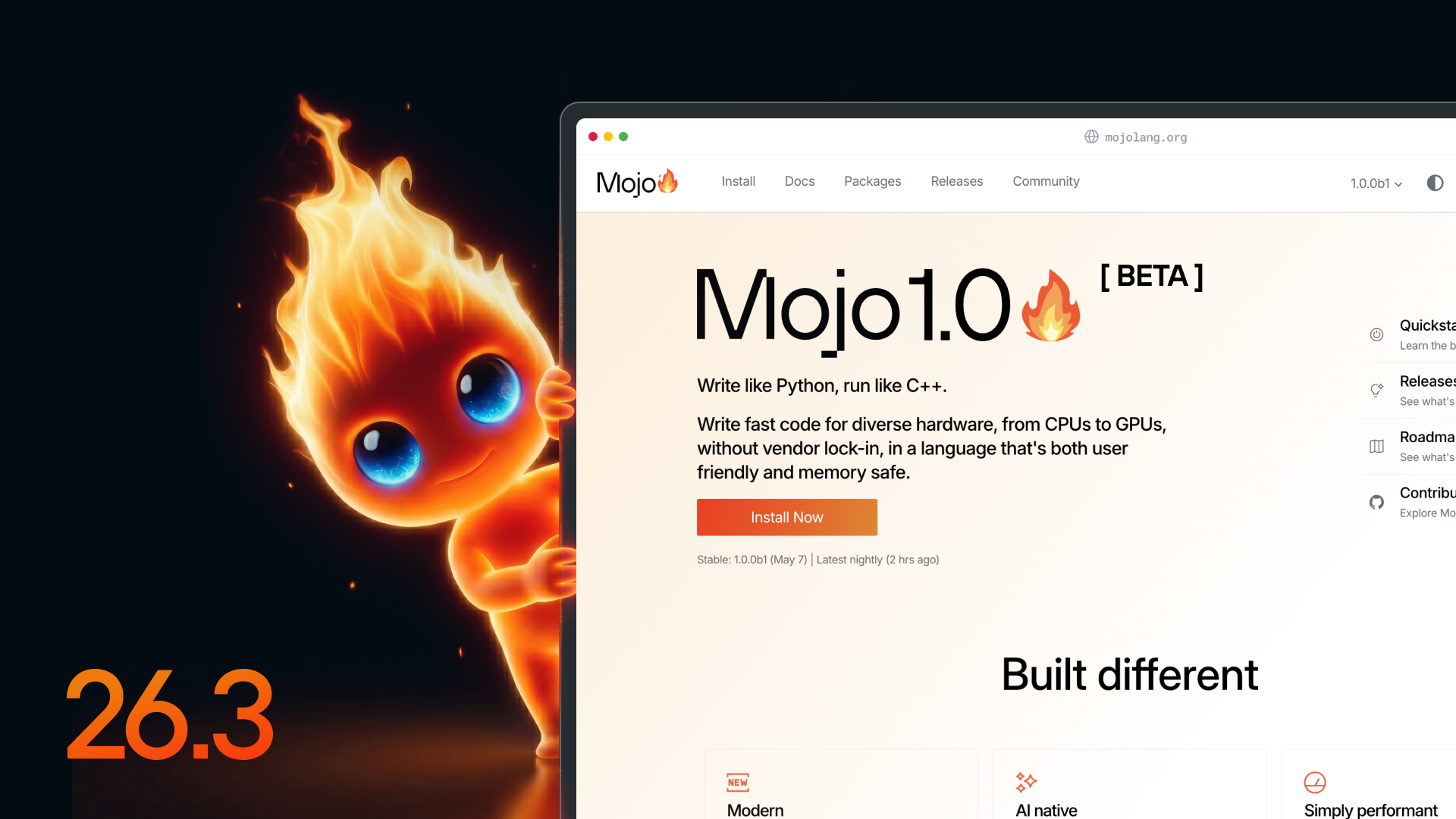
Mojo 1.0 Beta, dilin "özellik olarak tamamlanmış (feature complete)" ilk sürümü. Bu, Modular'ın artık büyük yapısal değişiklikler yerine cilalama ve hata düzeltme odaklı çalışacağı anlamına geliyor. Şirket, 1.0 final sürümünü 2026 sonbaharına kadar yayınlamayı ve derleyiciyi tamamen açık kaynak yapmayı taahhüt ediyor.
1.0 Beta'nın sembolik önemi ise şurada yatıyor: Mojo artık kendine özgü bir ev sahibi buldu. mojolang.org adresinde yepyeni bir web sitesi ve dokümantasyon altyapısı hizmete girdi. Daha önce docs.modular.com adresinde hem Mojo hem MAX (Modular'ın AI framework'ü) dokümanları bir aradaydı. Artık Mojo tamamen kendi sitesinde, MAX ise docs.modular.com'da yer alıyor. Bu ayrışma, Mojo'nun bağımsız bir dil olarak olgunlaştığının en net işareti.

1.0 Beta ile Gelen Başlıca Yenilikler
def Artık Tek Standart: fn Kullanımdan Kaldırıldı
Mojo'nun erken sürümlerinde iki fonksiyon tanımlama stili vardı: def (Python tarzı, değer semantiği) ve fn (sistem dili tarzı, referans semantiği, zorunlu tip annotasyonları). 1.0 Beta ile fn kullanımdan kaldırıldı ve artık derleyici uyarısı veriyor. Bir sonraki sürümde bu tamamen kaldırılacak.
def artık tek standart fonksiyon anahtar kelimesi ve fn'nin eski varsayılan davranışlarını (non-raising semantics) devralıyor. Bu değişiklik, dilin Python uyumluluğuna olan bağlılığını pekiştiriyor ve yeni gelen geliştiriciler için kafa karıştırıcı bir ayrımı ortadan kaldırıyor.
Unified Closures ve FFI Callback Desteği
Kapatma (closure) mekanizması tamamen yeniden tasarlandı. Durumsuz (stateless) kapatmalar artık otomatik olarak üst seviye fonksiyonlara yükseltiliyor. Bu, FFI (Foreign Function Interface) geri çağrılarında (callback) doğrudan kullanılabilmeleri anlamına geliyor. Ayrıca yeni ref yakalama kuralı, varsayılan kural ile açık yakalama listelerinin birleşimi ve thin fonksiyon efekti (durum yakalamayan düz fonksiyon işaretçileri) eklendi.
TileTensor: GPU Kernel Devrimi
Mülkiyetli bellek düzenlerini (memory layout) derleme zamanı özelliği haline getiren TileTensor, NDBuffer'ın yerini aldı. TileTensor, GPU çekirdeklerinin (kernel) ihtiyaç duyduğu swizzle, stride ve indeksleme işlemlerinin tip sistemi tarafından otomatik olarak denetlenmesini sağlıyor. Yani geliştirici hafıza düzenini elle korumak zorunda kalmıyor; derleyici hataları derleme aşamasında yakalıyor.
Bu özellik, özellikle FlashQLA gibi yüksek performanslı kernel optimizasyonları yapan geliştiriciler için kritik öneme sahip. Daha güvenli ve daha verimli GPU kodu yazmayı mümkün kılıyor.
Genişletilmiş GPU Donanım Desteği
1.0 Beta, donanım desteğini önemli ölçüde genişletiyor:
- Apple Metal:
print()desteği, dinamik threadgroup belleği, M5 MMA (Matrix Multiply-Accumulate) intrinsic'leri ve varsayılanmetal4özellikleri. - AMD: MI250X desteği eklendi.
- NVIDIA: B300 (
sm_103a) desteği eklendi.
Ayrıca GPU primitive ID'leri UInt yerine Int tipine taşındı. Bu, C/C++ ve Python ekosistemleriyle daha tutarlı bir arayüz sağlıyor.
Tip Sisteminde Type Refinement ve Unified Reflection
Derleyici artık where maddeleri, comptime if ve comptime assert üzerinden tip daraltma (type refinement) yapabiliyor. Daha önce trait_downcast kullanmak gereken yerlerde artık doğrudan tip işlemleri yapılabiliyor. Bu, hem kodun okunabilirliğini artırıyor hem de derleme zamanı optimizasyonlarını güçlendiriyor.
Yeni reflect[T]() API'si, std.reflection modülünden tek bir giriş noktası sunuyor. Struct alan isimleri, tipleri ve yaşam döngüsü metodlarına çalışma zamanı maliyeti olmadan erişilebiliyor.
Güvenlik İyileştirmeleri
Standart kütüphanedeki koleksiyonlarda sınır denetimi (bounds checking) varsayılan olarak açık. Negatif indeksleme (x[-1]) artık derleme zamanı hatası; yerine x[len(x) - 1] kullanılması gerekiyor. CPU'da varsayılan olarak açık olan bu denetim, GPU'da varsayılan olarak kapalı. mojo build -D ASSERT=all ile GPU'da da etkinleştirilebiliyor.
UnsafePointer artık tasarım gereği null olamayacak şekilde yapılandırıldı. Null yapılandırıcısı ve __bool__() metodu kullanımdan kaldırıldı. Null olabilen işaretçiler için Optional[UnsafePointer[...]] kullanılması öneriliyor. Bu, Rust'ın Option<Box<T>> yaklaşımına benziyor ve sıfır ek maliyetle (zero-overhead) bellek güvenliğini artırıyor.
String İşlemede Grapheme Cluster Desteği
Unicode metin işlemede önemli bir adım: UAX #29 grapheme segmentasyonu desteği eklendi. Birleştirici işaretler (combining marks), emoji ZWJ dizileri, bayrak emoji'leri ve Hangul heceleri doğru şekilde işlenebiliyor. graphemes(), count_graphemes() ve [grapheme=...] dilimleme (slicing) desteği ile uluslararası metin işleme uygulamaları için sağlam bir temel sunuluyor.

Mojo vs Python: Performans ve Paradigma Karşılaştırması
Mojo'nun en çok konuşulan iddiası şüphesiz "68.000 kata kadar Python'dan hızlı" olması. Bu rakam, saf Python ile yazılmış matris çarpımı gibi hesaplama yoğun işlemlerde elde ediliyor. Tabi ki NumPy veya optimized C uzantıları kullanan Python koduyla karşılaştırıldığında bu fark azalıyor, ancak kritik nokta şu: Mojo, bu performansı doğrudan dilin kendisi sağlıyor, harici kütüphanelere bağımlı kalmadan.
Mojo ile Python arasındaki temel farkları özetleyelim:
- Derleme vs Yorumlama: Mojo tamamen derlenir; Python yorumlanır. Bu, çalışma zamanı hatalarının büyük kısmının derleme aşamasında yakalanması anlamına gelir.
- Statik Tip Denetimi: Mojo'da tüm değişkenler derleme zamanında tip atanır. Python'daki gibi çalışma zamanında tip değiştirme mümkün değildir.
- Bellek Yönetimi: Mojo, Rust'tan esinlenen sahiplik (ownership) ve ödünç alma (borrowing) kurallarıyla çöp toplayıcı (garbage collector) olmadan bellek güvenliği sağlar.
- Değer Semantiği: Mojo'nun
deffonksiyonları varsayılan olarak değer semantiği kullanır (argümanlar kopyalanır). Python'da ise referans semantiği hakimdir (argümanlar mutable ise dışarıda değişir). - SIMD ve Vectorizasyon: Mojo, CPU'daki SIMD (Single Instruction Multiple Data) birimlerini ve GPU paralelliğini doğrudan dile entegre etmiştir.
Yukarıda bahsedilen Zed editörü gibi Rust tabanlı araçlar veya Obscura gibi Rust projeleri ile paralel olarak, Mojo da sistem programlama dünyasının güvenlik ve performans ilkelerini AI geliştirme dünyasına taşıyor.
MAX Framework ve AI Ekosistemi
Mojo tek başına bir dil değil, aynı zamanda MAX (Modular Accelerated Xecution) framework'ünün de temelini oluşturuyor. Modular 26.3 sürümüyle MAX, video üretimi (video generation) yeteneği kazandı. Wan 2.2 modeli desteği eklenerek, statik görselden hareketli sahneye geçiş iş akışları aynı platform üzerinde mümkün hale geldi.
MAX'taki diğer önemli gelişmeler:
- Dağıtık Tensor: PyTorch DTensor ve JAX
jax.Arraykonseptlerini birleştiren, çoklu GPU ortamlarında tek tip davrananTensortipi. Sharding bilgisi metadata olarak tutuluyor, ayrı bir kod yolu gerekmiyor. - Hızlı Eager Interpreter:
max.experimentaliçindeki MO graph interpreter, eager execution için 10-20 kat daha hızlı bir yol sunuyor ve artık %100 operatör kapsamına ulaştı. - Optimize Edilmiş Kernel'ler:
layer_norm,topk,argsort,concat,pad_constantgibi sık kullanılan GPU kernel'leri optimize edildi.
Bu gelişmeler, Mojo ve MAX'in sadece bir dil veya framework değil, uçtan uca bir AI altyapısı olma yolunda ilerlediğini gösteriyor.
Gelecek: Yol Haritası ve Açık Kaynak Planları
Mojo'nun geliştirme yol haritası üç ana aşamaya ayrılmış durumda:
- Phase 0 (Tamamlandı): Temel parser, bellek tipleri, fonksiyonlar, struct'lar, başlatıcılar ve argüman konvansiyonları.
- Phase 1 (Devam Ediyor): Yüksek performanslı CPU ve GPU kodlama; Python ile sorunsuz uzantı geliştirme.
- Phase 2 (Planlandı): Garantili bellek güvenliği ve sistem seviyesi soyutlamalarla sistem uygulama programlama.
- Phase 3 (Planlandı): Dinamik nesne yönelimli programlama (class, inheritance, tiplenmemiş değişkenler) desteği ile tam Python uyumluluğu.
Phase 3 tamamlandığında Mojo, Python'un tam bir üst kümesi (superset) olacak. Bu, mevcut Python projelerinin Mojo'ya kademeli olarak taşınabileceği anlamına geliyor. Geliştiriciler performans bottleneck'lerini Mojo ile değiştirebilecek, geri kalan kodu Python'da bırakabilecek.
Ayrıca Modular, derleyiciyi 2026 yılı içinde açık kaynak yapma taahhüdünü tekrarladı. Standart kütüphane zaten açık kaynak ve topluluk katkılarına açık. Bu şeffaflık, dilin benimsenmesi için kritik bir adım.
Sonuç: Geliştiriciler İçin Ne Anlama Geliyor?
Mojo 1.0 Beta, AI altyapısında yeni bir dönemin başlangıcı olabilir. Python'ın kolaylığı ile sistem dillerinin performansını birleştiren bu yaklaşım, özellikle büyük model eğitimi, özel GPU kernel geliştirme ve edge cihaz optimizasyonu yapan mühendisler için cazip bir alternatif sunuyor.
Elbette Mojo hâlâ genç bir dil. Ekosistem, Python'un 30 yıllık kütüphane zenginliğine henüz ulaşmadı. Ancak Gemma 4 ve Qwen 3.6 öncülüğündeki Small Language Model trendi göz önüne alındığında, verimli altyapı ve düşük kaynak tüketimi giderek daha kritik hale geliyor. Mojo tam da bu noktada devreye giriyor.
Eğer siz de Python'un performans sınırlarını zorluyorsanız, mojolang.org adresinden Mojo'yu yükleyip deneyebilirsiniz. Topluluk forumu, GPU Puzzles ve başlangıç rehberleri ile öğrenme eğrisi oldukça destekleniyor.
Bu yazı hakkındaki düşüncelerinizi ve Mojo deneyimlerinizi yorumlarda paylaşmayı unutmayın. Yeni teknolojileri birlikte keşfetmek, biz geliştiriciler olarak en büyük gücümüz.
Yazar

Efe Özkan
Yapay Zeka ve Yazılım Geliştirici