Vercel Eve ve Agent Framework'lerinin Yeni Düzeni
Vercel'in yeni açık kaynak agent framework'ü Eve'i geniş bir perspektiften inceliyoruz. LangGraph, CrewAI, Pydantic AI, Mastra, Smolagents ve diğerleriyle karşılaştırarak hangi senaryoda hangi framework tercih edilir, üretimde ne fark eder?

Vercel Eve ve Agent Framework'lerinin Yeni Düzeni
2026'da yapay zeka artık yalnızca sohbet kutularında değil. Kod depolarında, Slack kanallarında, CI/CD hatlarında, operasyon ekiplerinin günlük iş akışlarında ve müşteri destek hatlarının arkasında çalışıyor. "Agent" kavramı, büyük dil modeline (LLM) dayalı bir botu aşarak; araçları çağırabilen, insan onayı bekleyebilen, hata durumunda kaldığı yerden devam edebilen ve kendi kendine görev tamamlayabilen yazılım bileşenlerine dönüştü. Bu dönüşümün altyapısı ise agent framework'leri.
Vercel, Haziran 2026'da Eve adlı açık kaynak TypeScript framework'ünü duyurdu. Sloganı net: "Agent'lar için Next.js neyse, Eve de odur." Ancak bu yazı sadece Eve'i anlatmayacak. Piyasada onlarca benzer araç var ve her biri farklı bir mühendislik tercihine hitap ediyor. Geniş bir perspektiften agent framework ekosistemini ele alacağız; hangisi ne zaman tercih edilir, üretimde ne fark eder, Eve nerede konumlanır?
Agent Framework'ü Nedir ve Neden Bu Kadar Çok Çıktı?
Agent framework'ü, büyük dil modelinin çevresinde çalışan bir altyapıdır. Modelin araç çağrısı yapmasını, bellek kullanmasını, çok adımlı iş akışlarında ilerlemesini, hata aldığında yeniden denemesini ve gerektiğinde insan müdahalesi istemesini sağlar. Kısacası, ham LLM'yi üretime hazır bir yazılım bileşenine çeviren katmandır.
Temelinde ReAct, Plan-and-Execute ve Tool Use gibi desenler yatar. ReAct, modelin düşünme ve eylem adımlarını bir arada yürütmesini sağlar. Plan-and-Execute, uzun görevleri alt hedeflere bölür. Tool Use ise modelin harici API'leri, veritabanlarını veya kod yorumlayıcıları çağırmasını mümkün kılar. Bir framework işte bu desenleri, bellek yönetimini, gözlemlenebilirliği ve güvenlik sınırlarını tek bir yapı altında birleştirir.
2024 ve 2025'te bu alanda patlama yaşandı. Her ekip, kendi ihtiyacına göre farklı bir tasarım felsefesi benimsedi. Kimi ekip kontrolü öne çıkardı, kimi ekip modelin kendisine güvenmeyi tercih etti. Kimi ekip roller üzerinden organize etti, kimi ekip tip güvenliğini şart koştu. Bu farklılık, tek bir kazanan olmayacağını gösteriyor. Piyasa, kullanım senaryolarına göre parçalanmış durumda.
Vercel Eve: Dosya Sistemi İlk Sınıf Vatandaş
Eve'in en belirgin farkı, filesystem-first yaklaşımıdır. Her agent, dosya ve dizin yapısıyla tanımlanır. agent/agent.ts modeli seçer, instructions.md sistem komutunu içerir, tools/ klasörü araçları, skills/ bilgi dosyalarını, channels/ entegrasyon yüzeylerini, schedules/ ise periyodik görevleri barındırır.

Bu yapı, projenin sadece kod değil, aynı zamanda dokümantasyon gibi okunabilir olmasını sağlar. Yeni bir geliştirici repoyu açtığında, agent'in ne yaptığını klasör isimlerinden anlayabilir. Vercel, yıllardır v0 gibi ürünlerde agent deneyimi biriktirdiğini ve her seferinde aynı altyapı sorunlarını çözdüğünü belirtiyor. Eve, bu tekrar eden yapıyı standartlaştırıyor.
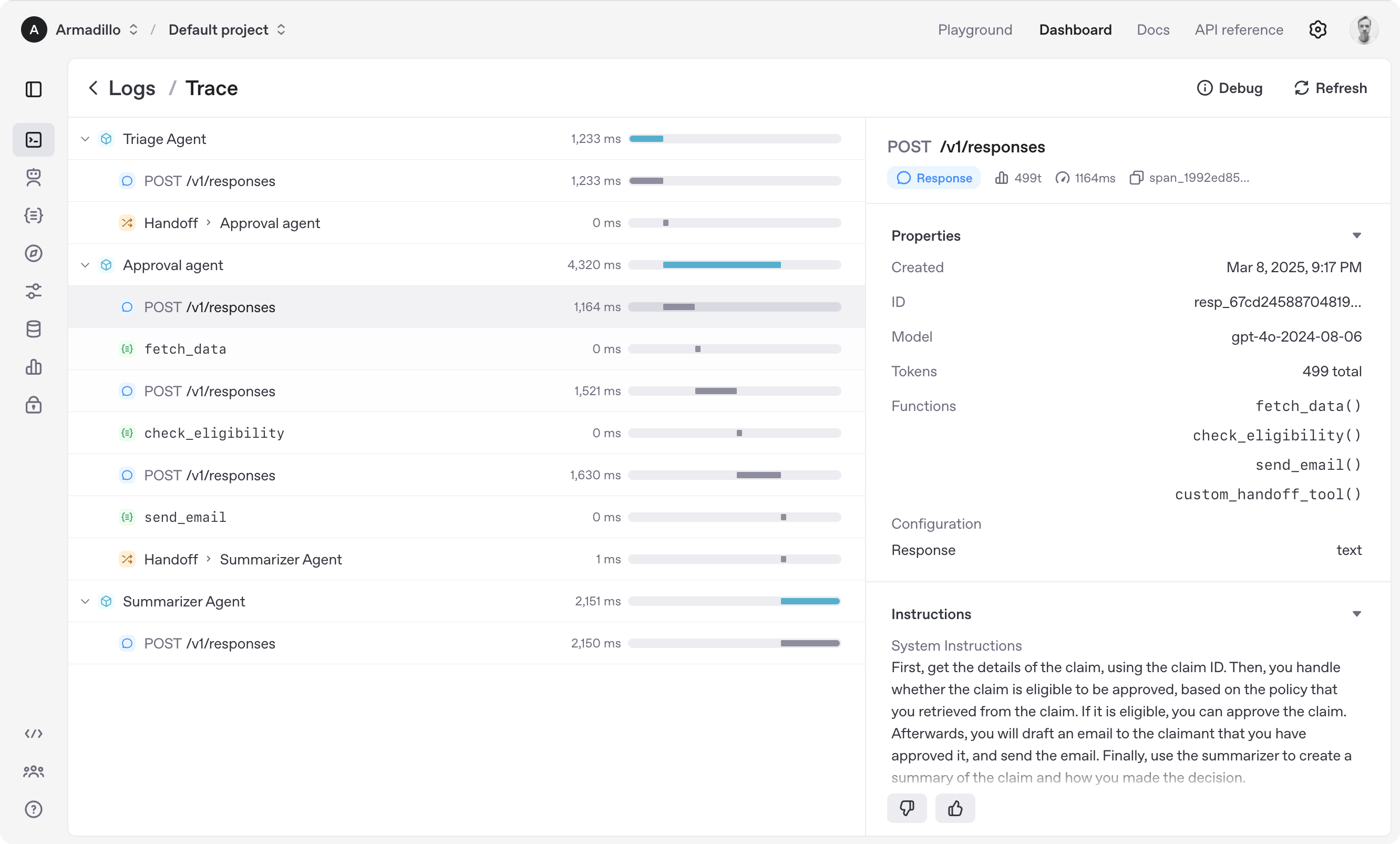
Eve'in üretim odaklı yetenekleri dikkat çekici. Durable execution sayesinde her konuşma, kilitlenme veya yeniden dağıtım durumunda kaldığı yerden devam edebilen bir iş akışıdır. Sandboxed compute, agent'in ürettiği kodun uygulama çalışma zamanından izole edilmesini sağlar. Human-in-the-loop onayları, hassas işlemler için otomatik duraklatma sunar. MCP / OpenAPI / OAuth bağlantıları, dış araçlara güvenli erişim sağlar. Slack, Discord, Teams, Telegram, GitHub, Linear gibi kanallar hazır adaptörlerle gelir.
2026 Agent Framework Menüsü
Eve tek başına değil. Piyasada en az bir düzine ciddi alternatif var. Bu bölümde, frameworkleri tasarım felsefelerine göre grupluyoruz.
Scaffold-Heavy: LangGraph ve AutoGen
Bu grup, kontrolü ve öngörülebilirliği öne çıkarır. LangGraph, agent'i düğüm ve kenarlardan oluşan bir graf olarak modeller. Her düğüm bir fonksiyon, her kenar bir durum geçişidir. Karmaşık dallanmalar, paralel çalıştırma, hata yeniden deneme ve insan onayı gibi üretim gereksinimleri için idealdir. AWS Builder Center karşılaştırmasında, LangGraph karmaşık stateful iş akışları için en güçlü seçenek olarak gösteriliyor.
AutoGen ise Microsoft Research kökenli, konuşma tabanlı çoklu-agent çerçevesidir. Agent'lar birbirleriyle diyalog kurarak problem çözer. Kod üretimi ve yürütme konusunda güçlüdür. Ancak son dönemde AutoGen'in kendi içinde iki kol ayrıldı: Microsoft v0.4+ yeniden yazımı ve topluluğun sürdürdüğü AG2 hattı. Bu ayrılık, seçim yaparken dikkat edilmesi gereken bir detay.
Model-Driven: Smolagents ve Strands
Bu yaklaşımda çerçeve ince, model kalındır. Hugging Face'in Smolagents'ı, agent'i Python kodu yazan ve çalıştıran bir döngü olarak tasarlar. Kod, doğal dil plana göre daha kesin ve yürütülebilir olduğu için bu yöntem hızlı otomasyon görevlerinde etkili. Strands Agents ise AWS ekosisteminde yerleşik çalışan, model-agnostik bir kitaplıktır. LiteLLM üzerinden 90'dan fazla modele erişir ve OpenTelemetry gözlemlenebilirliği sunar.
Role-Based: CrewAI
CrewAI, agent'ları insan rolleri gibi tasarlar: Araştırmacı, Yazar, Editör, Analist. Her agent'in bir görevi, bir hafızası ve bir çalışma tarzı vardır. Birden fazla uzman agent'in sıralı veya hiyerarşik iş birliği yapması gereken senaryolarda kullanışlı. Örneğin pazarlama ekibi için içerik üretim hattı kurmak, CrewAI ile hızlı prototiplemeye uygundur.
Type-Safe: Pydantic AI
Pydantic ekibinin geliştirdiği bu çerçeve, tip güvenliğini ve şema doğrulamayı merkeze alır. Tool şemaları, agent çıktıları ve iş akışı adımları Zod/Pydantic ile tanımlanır. Bankacılık, finans, CRM güncellemeleri gibi çıktının kesin formatta olması gereken alanlarda tercih edilir. Hata ayıklama süresini kısaltır çünkü çalışma zamanı hataları büyük ölçüde derleme aşamasında yakalanır.
Data-First: LlamaIndex ve Semantic Kernel
LlamaIndex, veri katmanını öne çıkarır. RAG (Retrieval-Augmented Generation), vektör depoları, yönlendirici agent'lar ve kurumsal arama senaryoları için kullanışlı. Bir finans agent'i, SQL veritabanından son işlemleri mi yoksa PDF politika dokümanlarından geçmiş hükümleri mi sorgulayacağına Router Agent ile karar verir.
Microsoft Semantic Kernel, .NET ve Azure ekosistemleri için tasarlanmış kurumsal bir SDK'dır. C#, Python ve Java desteği sunar. Mevcut Microsoft altyapısına bağlı kuruluşlar için doğal bir seçimdir.
Vendor-Optimized: OpenAI SDK, Google ADK, Claude Agent SDK
Bu grup, kendi bulutlarının içinde en doğal hissedilen araçlardır. OpenAI Agents SDK, GPT ailesiyle entegre çalışır ve web arama, dosya arama gibi yerleşik araçlar sunar. Google ADK, Gemini ve Google Cloud ekosistemine yöneliktir; çoklu agent orkestrasyonu ve oturum yönetimi güçlüdür. Anthropic Claude Agent SDK ise Claude Code'ın arkasındaki mimariyi açık kaynak olarak sunar; MCP, skills ve subagents konularında ileri düzey destek sağlar. Bu çerçeveler kendi vendor'ünde mükemmel çalışır, çoklu sağlayıcı kullanan ekipler için ise sürtüşme yaratabilir.
TypeScript-Native: Mastra ve Eve
TypeScript ekosisteminde çalışan ekipler için Python çerçeveleri her zaman yabancı bir dil gibi hisseder. Mastra, Gatsby ekibi tarafından kurulan ve 2026'da 22.000'den fazla GitHub yıldızına ulaşan açık kaynak TypeScript çerçevesidir. Agent, workflow, RAG, hafıza, eval ve MCP desteği sunar. Vercel, Cloudflare ve Netlify için yerleşik deployer'lara sahiptir.
Eve ise Mastra'ya kıyasla daha fazla Vercel altyapısına gömülüdür. Durable execution, sandboxed compute ve Vercel Connect entegrasyonu gibi özellikler, Vercel kullanan ekipler için hazır üretim ortamı vaat eder. Mastra daha genel amaçlı ve çoklu bulut düşünülmüşken, Eve Vercel deneyimini agent dünyasına taşır.
MCP: Agent'ların USB-C'si
Model Context Protocol (MCP), agent'ların harici araçlara ve veri kaynaklarına standart bir yoldan bağlanmasını sağlayan açık protokoldür. 2026'da MCP desteği, bir framework'u değerlendirirken artık "olursa iyi olur" değil, "olmalı" kategorisine girdi. Strands, CrewAI, Smolagents, Pydantic AI ve Claude Agent SDK bunu birinci sınıf destekliyor. Eve de MCP üzerinden bağlantı kurabiliyor ve modelin URL veya kimlik bilgilerini görmesini engelliyor.
Eve Diğerlerinden Nasıl Ayrılıyor?
Eve'in farkı yalnızca TypeScript olması değil, üretim altyapısını framework'ün bir parçası haline getirmesidir. Birçok çerçeve, agent'i yerel makinede çalıştırmak için güzel bir API sunar ama durable execution, sandbox, izleme ve kanal entegrasyonları için ekip kendi altyapısını kurmak zorunda kalır. Eve bu boşluğu dolduruyor.
Örneğin, bir SQL sorgusu çalıştıran agent tasarlarken needsApproval alanıyla büyük tarama yapan sorguları otomatik onaya tabi tutabilirsiniz. Agent beklerken hesaplama ücreti ödemez, onay geldiğinde aynı adımdan devam eder. Bu tarz detaylar, demo ortamından gerçek üretime geçişi kolaylaştırır.
Ancak bu avantajın karşılığı, vendor bağlılığıdır. Eve şu an beta aşamasındadır ve Vercel ekosisteminin dışında ne kadar bağımsız çalışabileceği zamanla netleşecek. Kurum içi veri egemenliği gerektiren projelerde, kurum içi LLM dağıtımı ve sandbox stratejisi gibi konuları ayrıca değerlendirmek gerekir.
Üretim İçin Framework Seçim Rehberi
Doğru çerçeve, ekibin dil tercihi, mevcut altyapısı ve agent'in yapacağı işin karmaşıklığına göre değişir. İşte pratik bir rehber:
| Senaryo | Öne Çıkan Framework | Neden |
|---|---|---|
| Karmaşık, denetimli iş akışları | LangGraph veya Pydantic AI | Durum makinesi ve tip güvenliği kritikse bu ikisi öne çıkar. |
| Rol tabanlı çoklu agent ekipleri | CrewAI | Pazarlama, araştırma, raporlama gibi iş birliği gerektiren görevlerde hızlı sonuç verir. |
| Hızlı otomasyon ve kod odaklı agent | Smolagents | Küçük çaplı, kendi kendine yeten görevler için idealdir. |
| TypeScript / Next.js ekosistemi | Mastra veya Eve | Vercel kullanıyorsanız Eve, genel TypeScript dağıtımı istiyorsanız Mastra daha esnektir. |
| Vendor kilidi kabul edilebilirse | OpenAI SDK, Google ADK veya Claude Agent SDK | Resmi destek ve yerleşik araçlar avantaj sağlar. |
| Konuşma tabanlı kod üretimi | AutoGen / AG2 | Kod yazan ve test eden agent takımları için uygundur. |
| Kurumsal veri ve RAG odaklı agent | LlamaIndex veya Semantic Kernel | Veri kaynaklarını birinci sınıf vatandaş yapar. |
Seçim yaparken sadece ilk kurulum kolaylığına değil, üretim gözlemlenebilirliğine, hata ayıklamaya ve maliyet yönetimine de bakmalıyız. Gözlemlenebilirlik ve loglama altyapısı olmayan bir agent, kullanıcı önünde güvenilir davranamaz.
Gelecek: Frameworkler Birleşmeyecek, Parçalanacak
2026'da agent framework pazarında tek bir kazanan beklemek yanlış. Modeller güçlendikçe, çerçeveler daha ince hale geliyor. "Daha az çerçeve, daha fazla model" yaklaşımı yaygınlaşıyor. Aynı zamanda üretim gereksinimleri, durable execution, eval, izleme ve güvenlik gibi konularda frameworklerin kalınlaşmasını da gerektiriyor.
Bu gerilim, pazarı iki kampa ayırıyor. Bir yanda hafif, model-odaklı kitaplıklar; diğer yanda üretim altyapısını içinde taşıyan tam çözümler. Eve, ikinci kampa aittir. TypeScript ve Vercel kullanan ekipler için ciddi bir seçenek haline gelebilir. Ancak Python ekosistemindeki LangGraph, CrewAI ve Pydantic AI gibi araçların yerini bir gecede alması beklenmemeli.
Agent yazılım mühendisliği, henüz erken döneminde. Bugün yaptığımız seçimler, önümüzdeki yıllarda nasıl standartlaşacağını şekillendirecek. Yeni diller ve çalışma zamanları da bu alana etki ediyor; Mojo gibi yeni diller ve açık kaynak kod modelleri agent performansını ve maliyetini doğrudan etkileyecek.
Sonuç
Vercel Eve, agent dünyasına üretim odaklı, TypeScript-tabanlı ve dosya sistemi öncelikli bir çerçeve getiriyor. Durable execution, sandbox, insan onayı ve kanal entegrasyonları gibi özellikler, onu demo aşamasının ötesinde ciddi projeler için uygun kılıyor. Ancak Eve, büyük resmin sadece bir parçası.
LangGraph kontrolü, CrewAI rol organizasyonunu, Pydantic AI tip güvenliğini, Smolagents kod sadeliğini, Mastra TypeScript deneyimini ve vendor çerçeveleri entegrasyon kolaylığını temsil ediyor. Doğru seçim, agent'in ne yapacağına, ekibin nerede çalıştığına ve üretimde hangi güvencelere ihtiyaç duyduğuna bağlı.
Eğer siz de bir agent projesine başlıyorsanız, önce problemi tanımlayın, sonra çerçeveyi seçin. Çünkü en iyi framework, hype'ı en yüksek olan değil, sizin iş yükünüze en uygun olandır.
Bu yazı Vercel'in Eve duyuru yazısından, Alice Labs 2026 framework sıralamasından, AWS Builder Center karşılaştırmasından, Langfuse açık kaynak çerçeve analizinden ve Signadot 2026 değerlendirmesinden derlenmiştir. Düşüncelerinizi ve tercih ettiğiniz çerçeveyi yorumlarda paylaşabilirsiniz.
Yazar

Efe Özkan
Yapay Zeka ve Yazılım Geliştirici